The Silence of the Dolomites: Walking the High Passes
An exploration of Alta Via 1, pale limestone crags, and the quiet dignity of alpine refuges perched above morning clouds.
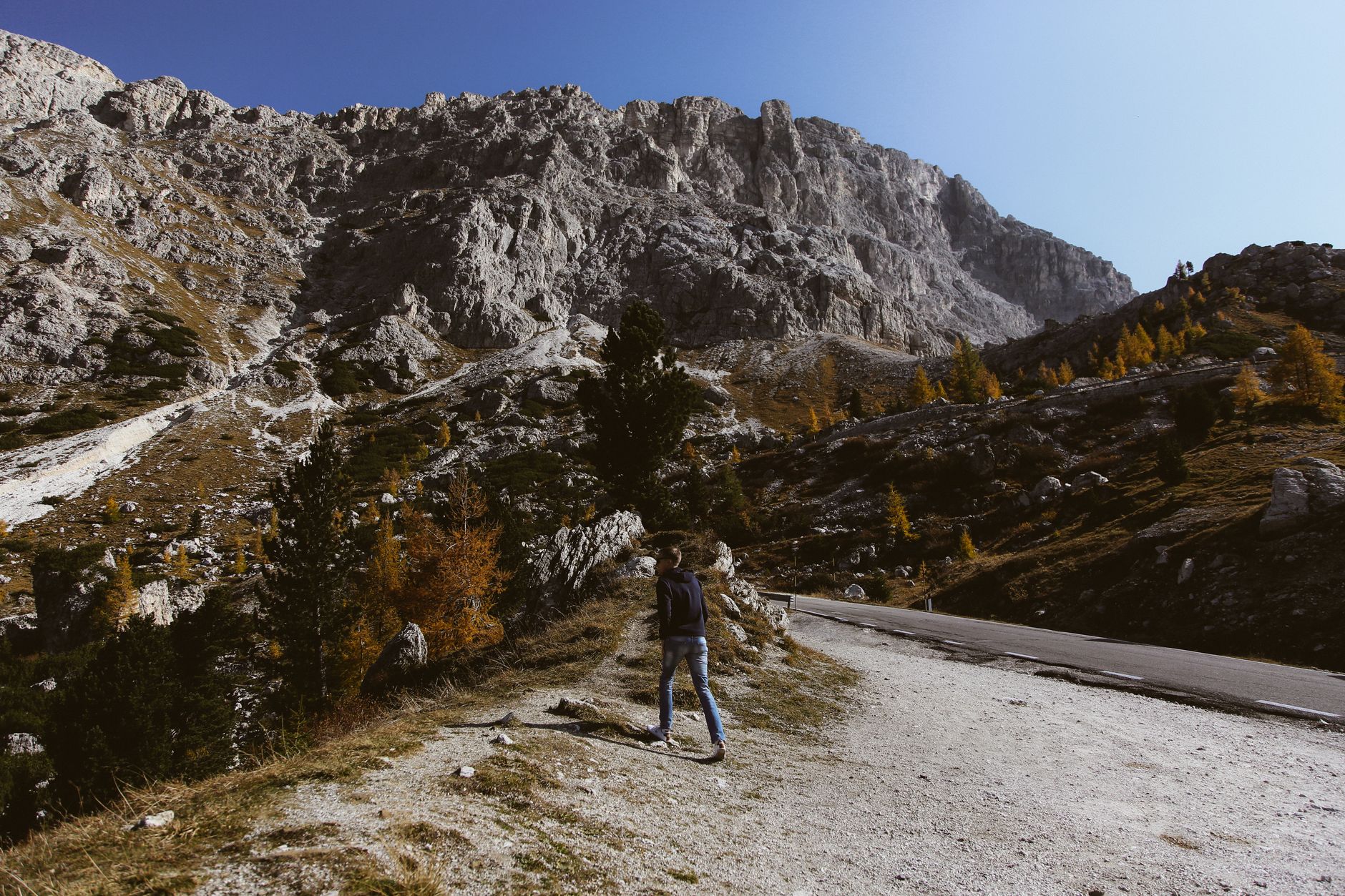
To step onto the scree slopes of the Pale Mountains at first light is to experience a landscape carved not just by ice and water, but by profound geological calm.
The Geometry of Pale Stone
The Dolomites differ from the granite needles of Mont Blanc or the Swiss 4,000-meter peaks. Formed of fossilized coral reefs from an ancient Tethys Ocean, their towers rise abruptly from rolling green larch forests. As early morning light strikes the rock faces, the stone shifts through pale ochre, dusty rose, and finally radiant limestone white—a phenomenon locals honor as the Enrosadira.
We began our traverse near Lago di Braies before dawn, avoiding day-tripper boats to ascend toward Forcella del Lago. The path narrows into steep switchbacks where the only sound is the rhythmic scuff of leather boots on dolomite gravel and the distant whistle of high-pasture marmots.
“High altitude strips away the superfluous. In the silence of the pass, one realizes that the purpose of walking is not arrival, but attentiveness.”
Sanctuaries Above the Mist: Rifugio Culture
Unlike commercial backcountry lodges, mountain refuges in the Italian Dolomites carry over a century of mountaineering hospitality. At Rifugio Lagazuoi, set at 2,752 meters on a sheer cliff edge, evenings bring hearty bowls of barley soup, fresh polenta with alpine mushrooms, and conversations across languages between veteran climbers and quiet wayfarers.
- Best Season: Mid-June to late September, before the first autumn snowfalls close high cols.
- Gear Consideration: Merinos for shifting valley temperatures and lightweight trekking poles for steep scree descents.
- Preservation Note: Stay strictly on designated military paths to prevent fragile alpine meadow erosion.
As darkness fell, the stars appeared with staggering clarity. In an age dominated by instant connectivity, sitting on a wooden bench looking out over hundreds of kilometers of darkened peaks reminded us of why we travel: to feel small, grounded, and deeply grateful.